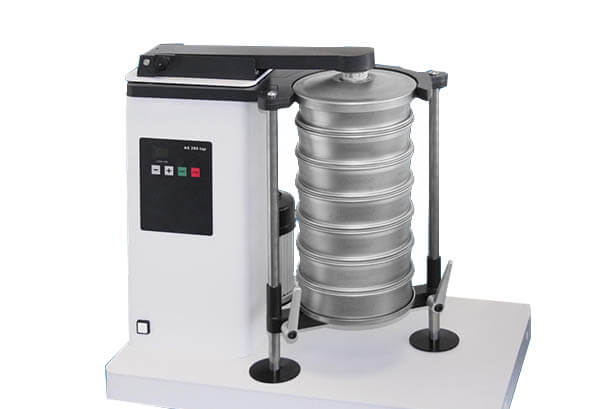
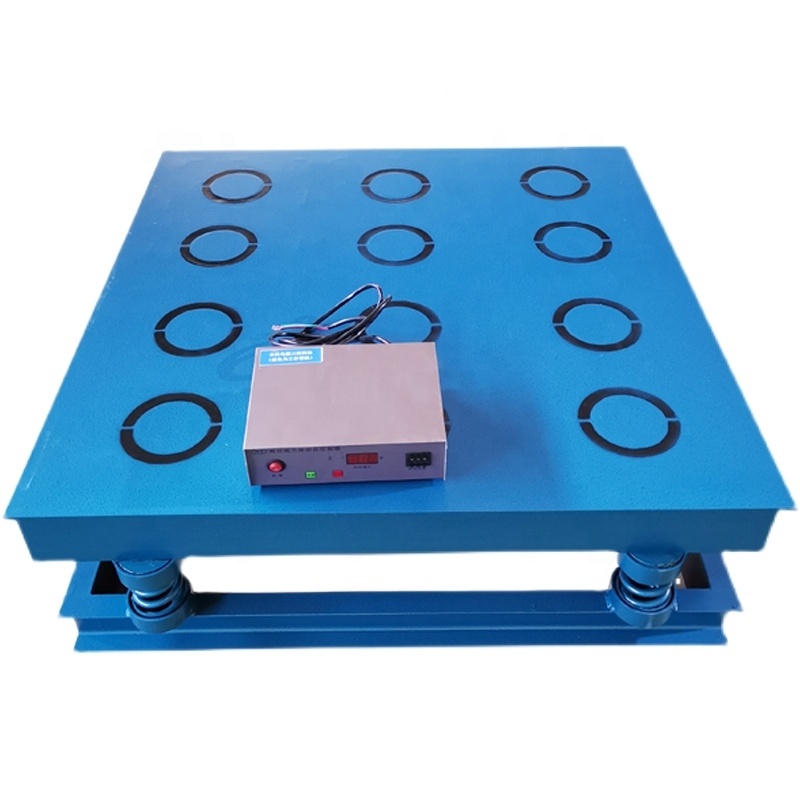
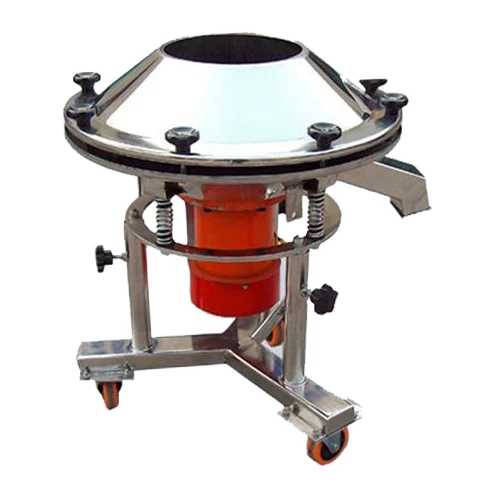
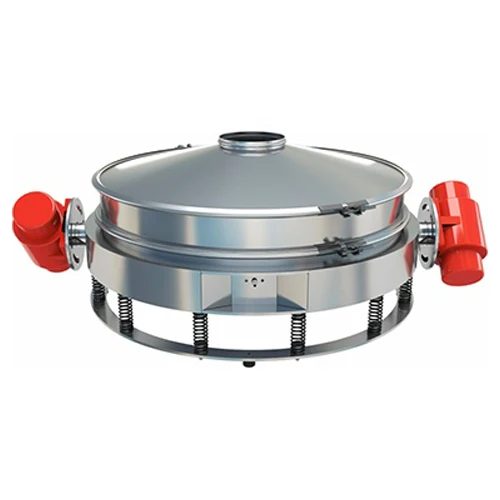
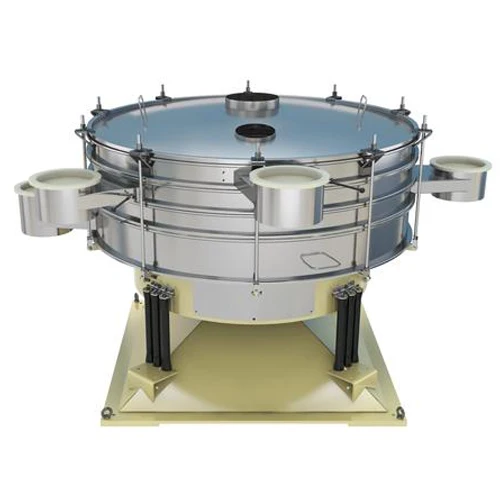
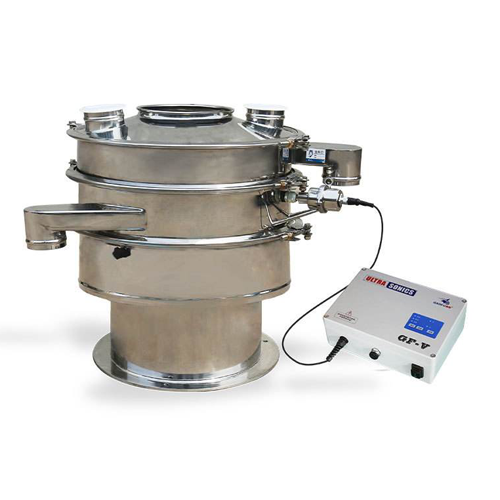
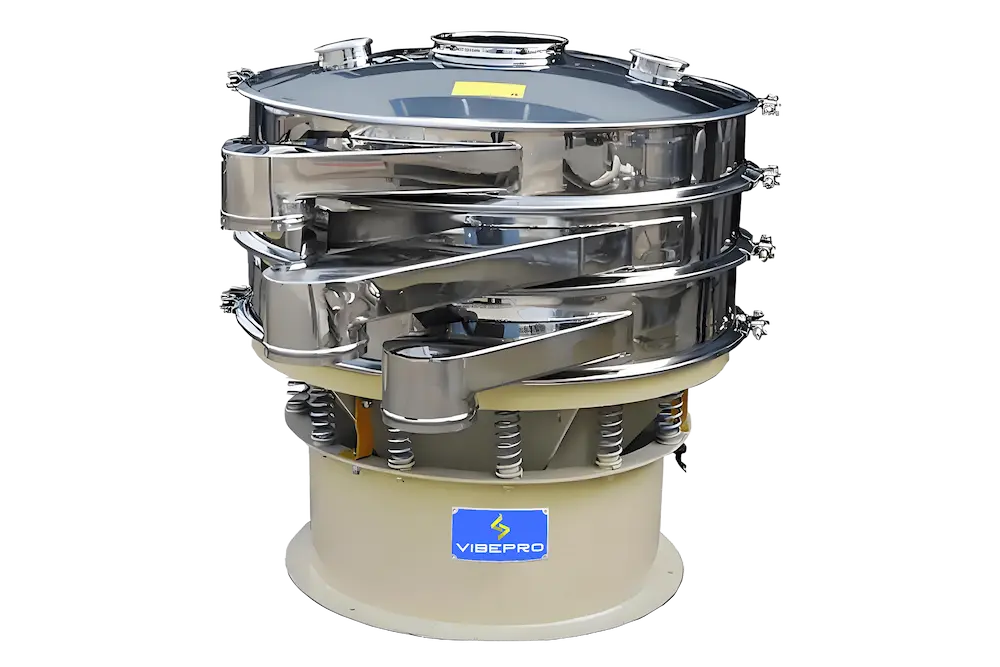
The laboratory vibrating sieve (test sieve shaker) is a precision device designed for small-batch material testing, particle size analysis, and laboratory sieving. Compact, lightweight, and easy to operate, it enables quick determination of particle size distribution. It is widely used in research institutes, laboratories, quality control, and small-scale production.
How It Works & Video Demo
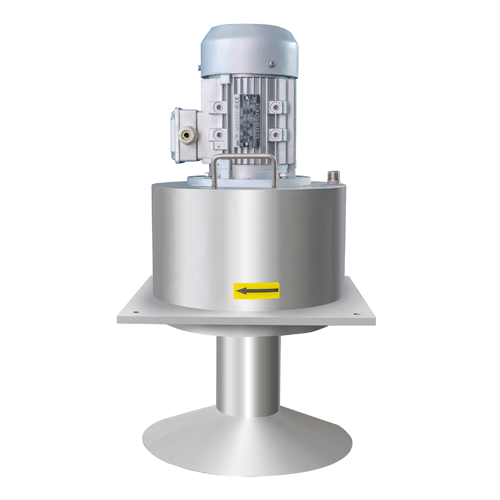
Driven by a vibration motor or electromagnetic vibrator, the sieve stack is subjected to both vertical and horizontal vibrations. Materials are stratified through multiple sieves according to particle size, enabling particle size distribution analysis or impurity removal.
Built Around Your Workflow · Practical Innovation · Total Cost Control
Why Choose Our Laboratory Vibrating Sieve
Flexible Multi-Deck Sieving
Feature: Stackable 1–8 test sieves for flexible setups Data: Delivers 2–9 particle size fractions in a single run Benefit: Saves testing time, eliminates repetitive operations
Compact & Low-Noise
Feature: Compact structure with optimized noise reduction Data: Operating noise < 60 dB Benefit: Suitable for labs and office environments without interference
Easy Operation & Maintenance
Feature: Quick clamp mechanism,Intuitive operation panel Data: Sieve changeover ≤ 1 minute,Operators can easily adjust the amplitude and sieving time Benefit: Fast material switching, simple maintenance, low training cost
High-Precision Testing
Feature: Electromagnetic vibration drive with adjustable frequency Data: Particle size analysis down to 20 μm Benefit: Delivers reliable particle distribution data for research and QC testing
Strong and durable
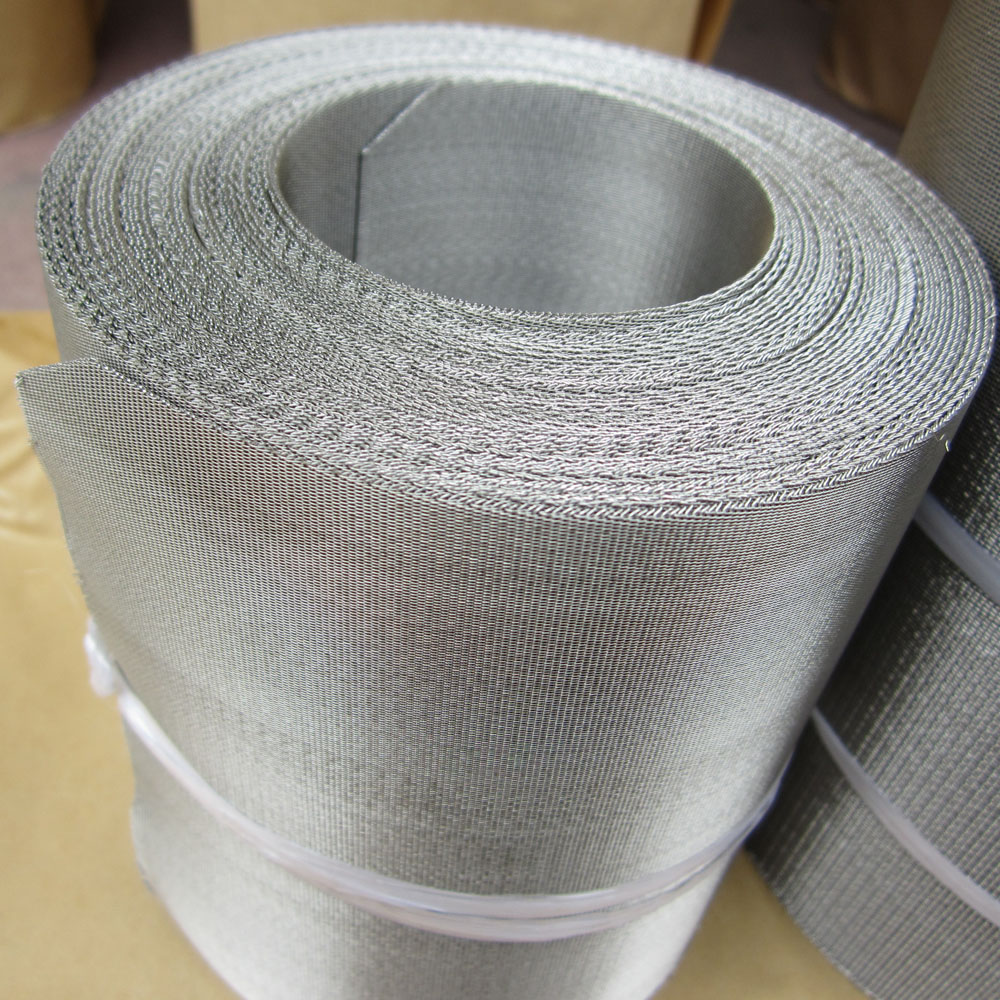
Feature: Built with high-quality stainless steel or carbon steel materials. Data: 316/304 stainless steel Benefit: Not easily damaged after long-term use.
Compliance & Traceable Documentation
Feature: Clear sieve list, lead time, and calibration services Data: Standard delivery within 7–15 days; remote technical support available worldwide Benefit: Transparent purchasing, low risk, and global after-sales coverage